Installing VMware vCLI on Ubuntu Desktop
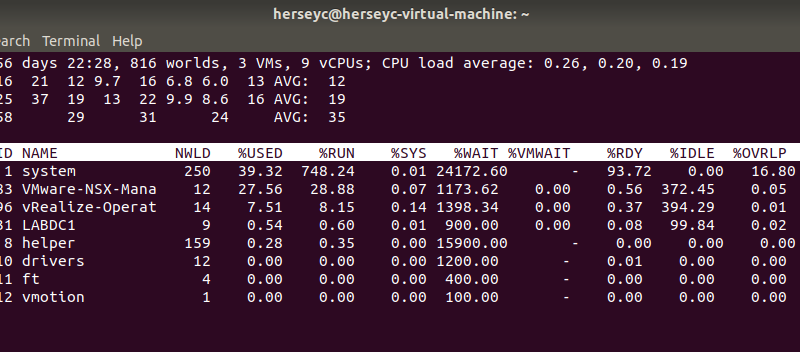
In this post I’ll walk through installing the vSphere vCLI on an Ubuntu desktop to enable remotely running esxtop, vicfg
Read MoreHyperconverged, Virtualization, VMware, Citrix, Datacenter Administration, and more…
In this post I’ll walk through installing the vSphere vCLI on an Ubuntu desktop to enable remotely running esxtop, vicfg
Read More
Recently I did a post on how to Target the vMA for VCSA Backups. This post takes things a step further and automates the backup of the VCSA using a shell script, the vCenter Appliance REST API, and cron on the vMA.
Read More
One handy new feature available with vSphere 6.5 is the ability to take a supported backup of the vCenter Server Appliance (VCSA) configuration and database. VCSA backups can be transferred to a target using HTTP/S, FTP/S, and SCP. This post walks through backing up the VCSA using SCP to target the vSphere Management Assistant (vMA) to store the backup.
Read More
The vMA is deployed with a single 3 GB disk with about 1 GB available after deployment. This post walks through adding a disk to the vMA appliance to provide additional storage for scripts, logs, VIBs, iso, backups, etc.
Read More
It has been a good while since I have worked with vSphere Management Assistant (vMA). I used it fairly often when I was managing a vSphere environment. Since I am teaching the vSphere Optimize and Scale class during the winter semester I spun up the vMA in the homelab to re-introduce myself to it.
Read More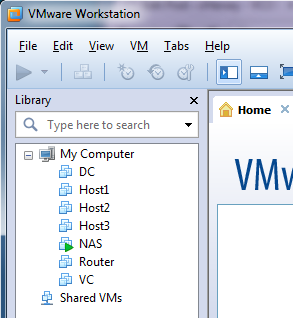
This fifth video in my AutoLab Video Series covers downloading, deploying, configuring, and using the vSphere Management Assistant (vMA) virtual appliance in the AutoLab vSphere environment.
Read More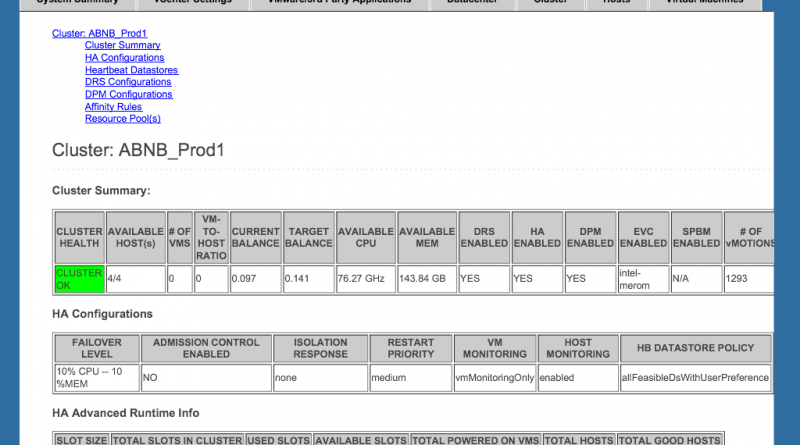
The VMware vSphere Health Check Report is a free script written by @lamw (Check out his site virtuallyGhetto for some
Read MoreWhen using a third party network monitoring program (like Solarwinds Orion) you need to enable SNMP on your ESXi hosts.
Read MoreThe resxtop utility can be run from the vSphere Management Assistant (vMA). The resxtop utility is used to monitor CPU,
Read More